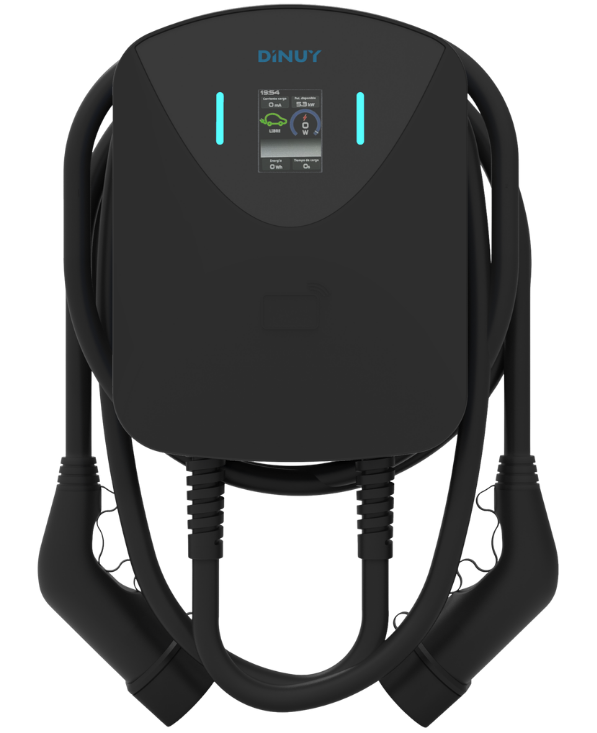
Unique in the market integrated with KNX
It includes KNX connectivity as standard, allowing for the integration of electric vehicle charging into the most efficient and intelligent projects. Dinuy unites two worlds: KNX and charging systems.
At DINUY we develop charging systems for all types of electric vehicles.
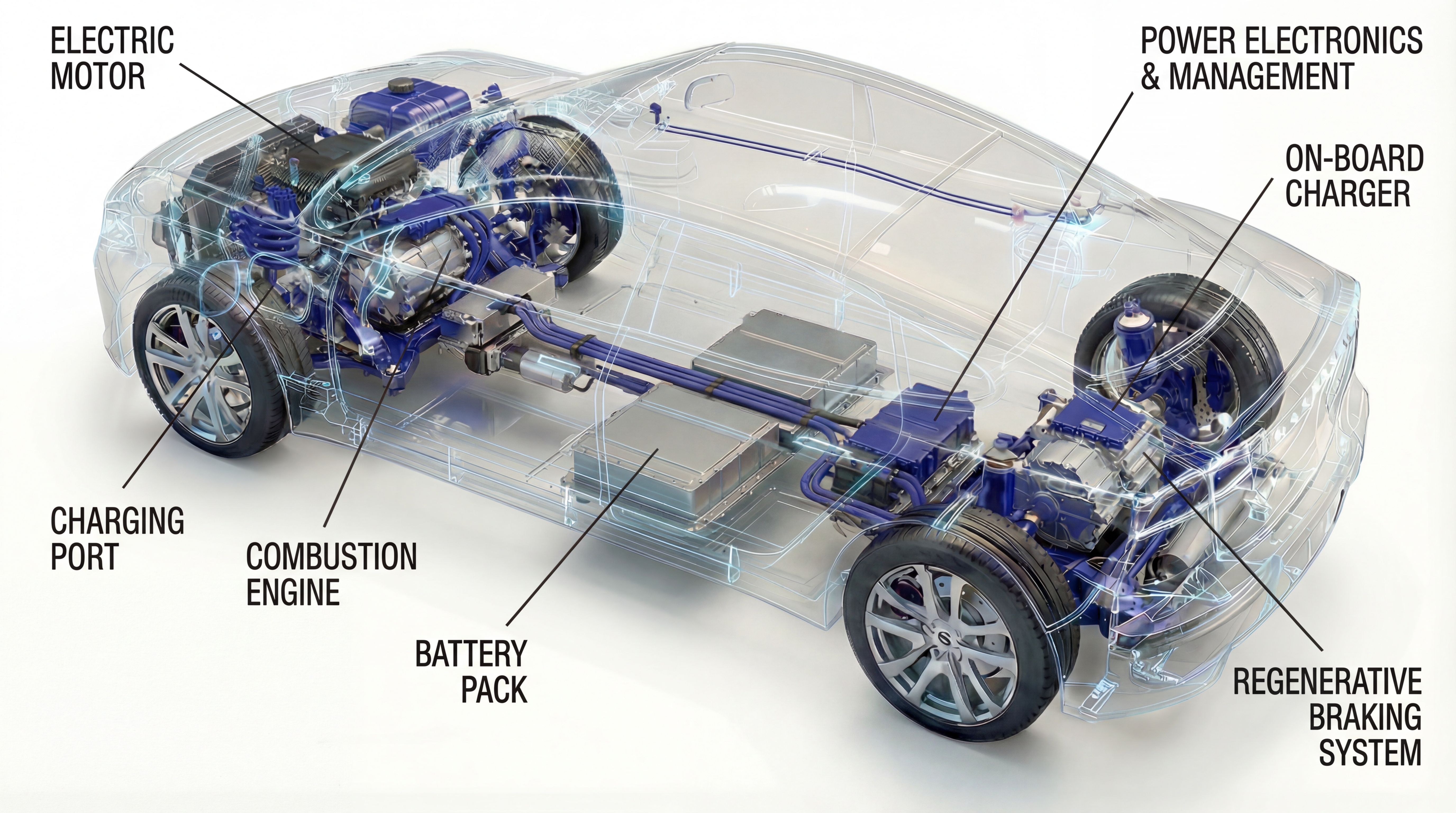
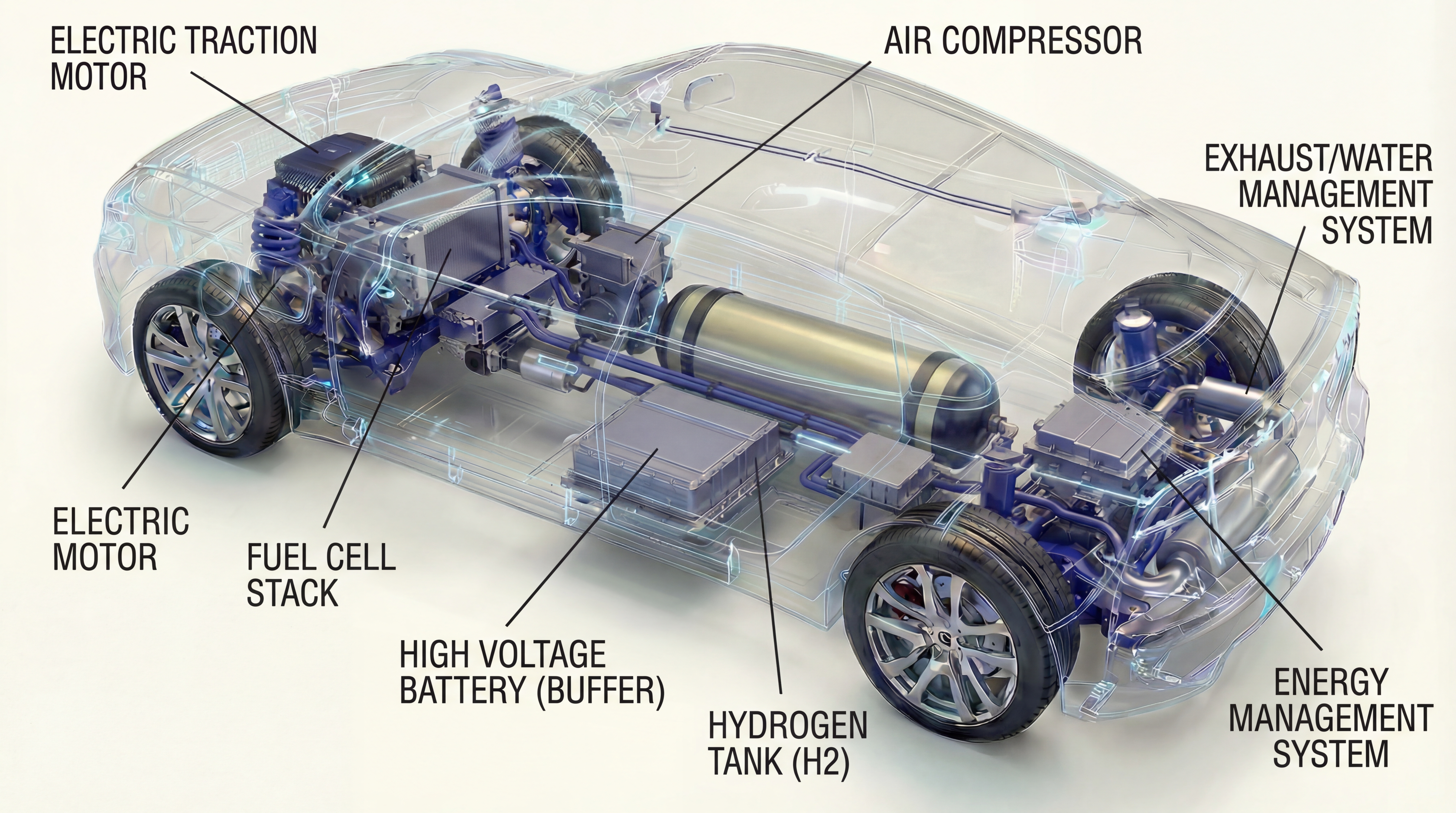
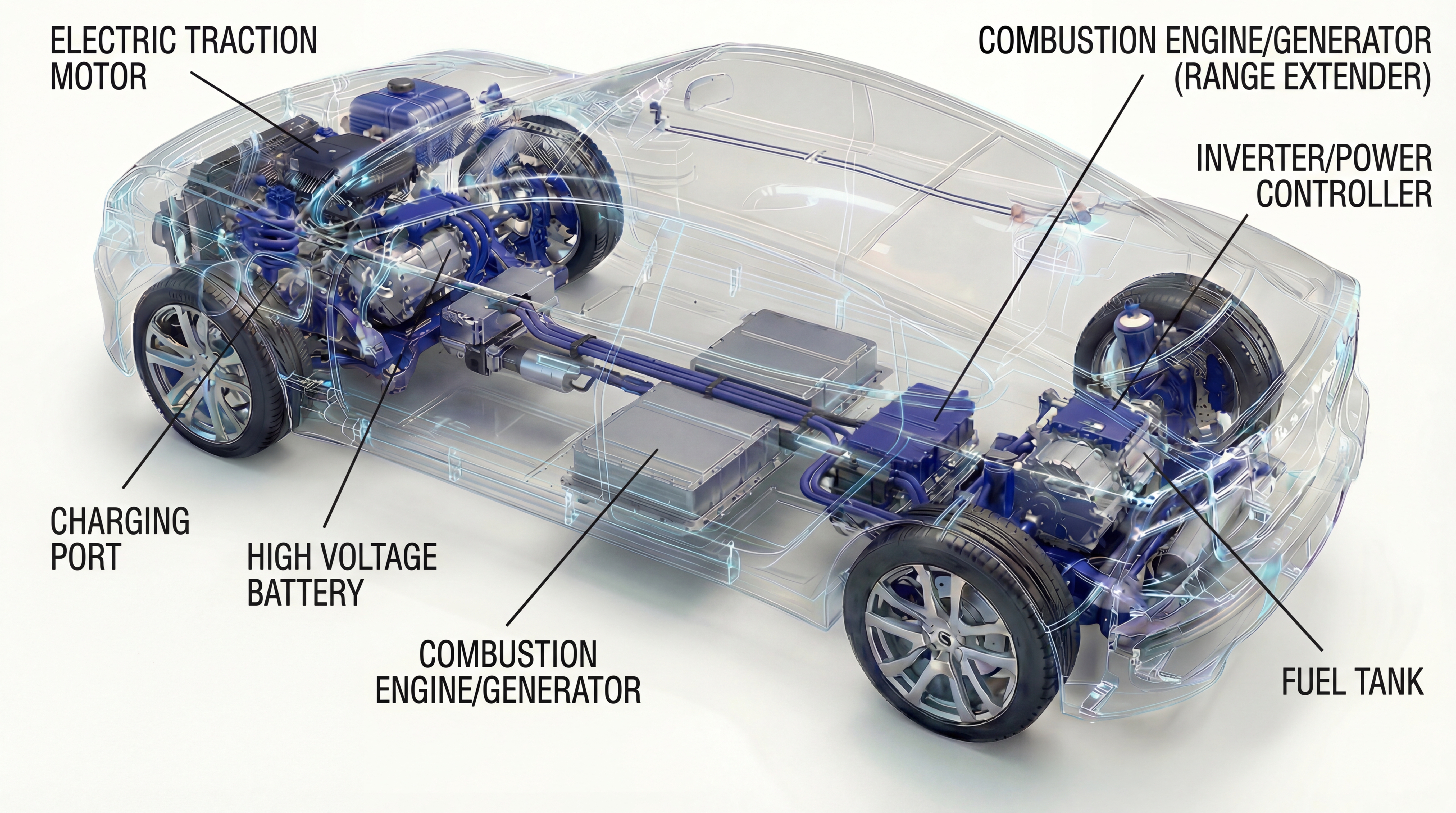
How electric vehicle charging works
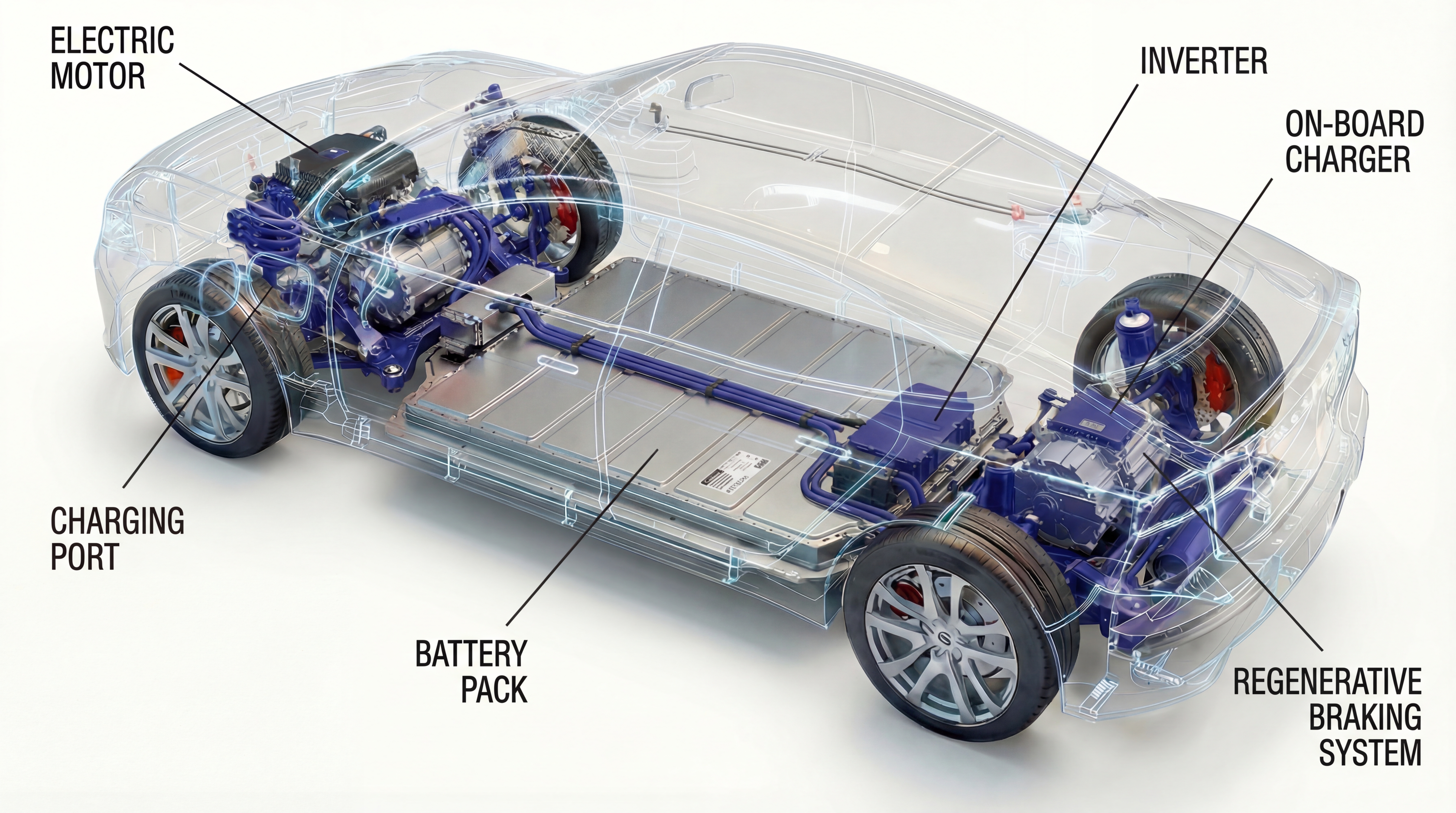
Charging an electric car means transferring energy from the power grid to the vehicle battery. The key point is that the grid supplies alternating current (AC), but batteries can only store direct current (DC).
AC alternating current charging
Equipment that takes alternating current from the electrical grid and supplies it to the vehicle in the same format, with the vehicle itself responsible for converting it into direct current. This type of solution is commonly used in residential environments, apartment buildings, and tertiary spaces such as hotels, companies, or workplaces.
In these cases, the rectifier that converts AC to DC is integrated into the vehicle itself, which also manages and limits the charging power.
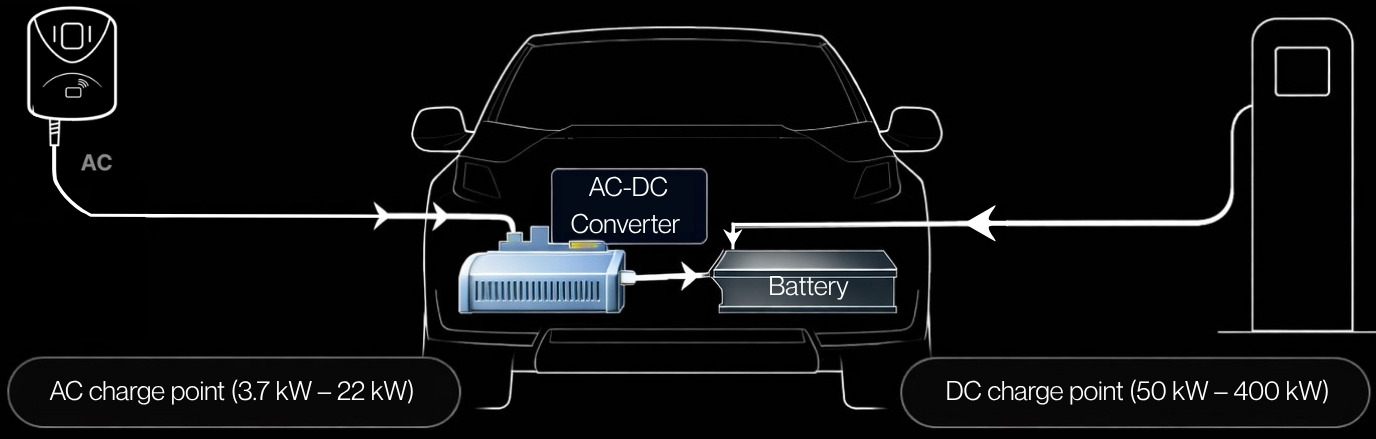
DC direct current charging
Equipment that takes alternating current from the grid and converts it into direct current to supply it directly to the vehicle battery. These are higher-power solutions mainly designed for en-route charging points.
In this case, the rectifier that performs the AC to DC conversion is integrated into the charging station itself, and the energy is delivered directly to the vehicle's BMS (Battery Management System).
AC alternating current charging
Equipment that takes alternating current from the electrical grid and supplies it to the vehicle in the same format, with the vehicle itself responsible for converting it into direct current. This type of solution is commonly used in residential environments, apartment buildings, and tertiary spaces such as hotels, companies, or workplaces.
DC direct current charging
Equipment that takes alternating current from the grid and converts it into direct current to supply it directly to the vehicle battery. These are higher-power solutions mainly designed for en-route charging points.
In these cases, the rectifier that converts AC to DC is integrated into the vehicle itself, which also manages and limits the charging power.
In this case, the rectifier that performs the AC to DC conversion is integrated into the charging station itself, and the energy is delivered directly to the vehicle's BMS (Battery Management System).
Charging modes
Standards define different modes depending on safety, control and power.
Mode 1 - Domestic outlet without control
Charging is carried out through a conventional, non-dedicated outlet, without specific communication or control systems between the grid and the vehicle.
Power is limited, and this mode is only used for light electric vehicles.
Mode 2 - Domestic outlet with integrated control
It uses a standard, non-dedicated outlet, but includes an in-cable control device that provides basic monitoring of the charging process.
It is considered a portable and occasional-use solution.

Mode 3 - Dedicated AC charging point - STANDARD
Mode 3 is the recommended system for residential environments, homeowners’ communities and the commercial sector. It uses dedicated infrastructure (known as SAVE) that enables advanced communication between the charger and the vehicle.
This mode improves safety, efficiency, and battery life.
Mode 4 - Connecting the vehicle to the grid via an external charging point
Dedicated infrastructure for fast DC charging. It uses connectors defined by the IEC 62196 standard, such as CCS2 and CHAdeMO. AC-to-DC conversion is performed at the charging terminal itself, which communicates directly with the vehicle to manage the charging process. These systems typically offer power outputs between 20 kW and 400 kW.
Connector types

TYPE 2
IEC 62196/Mennekes
European standard for AC charging. The most common in homes, businesses and public locations. Supports single-phase and three-phase charging.
Single-phase 7.4KW (32A)
Three-phase 22KW (32A)

TYPE 1
Standard in the US, not common in Europe
Single-phase 7.4KW (32A)

CCS COMBO 2
Combined AC/DC system, the European standard for fast charging. Widely used across today’s public infrastructure.
400KW (DC 1000V-400A)

CHAdeMO
DC fast charging connector. Present in some Asian models and public charging stations, not in Europe.
100KW (DC 500V-200A)
Charging facilities according to ITC-BT-52 regulations
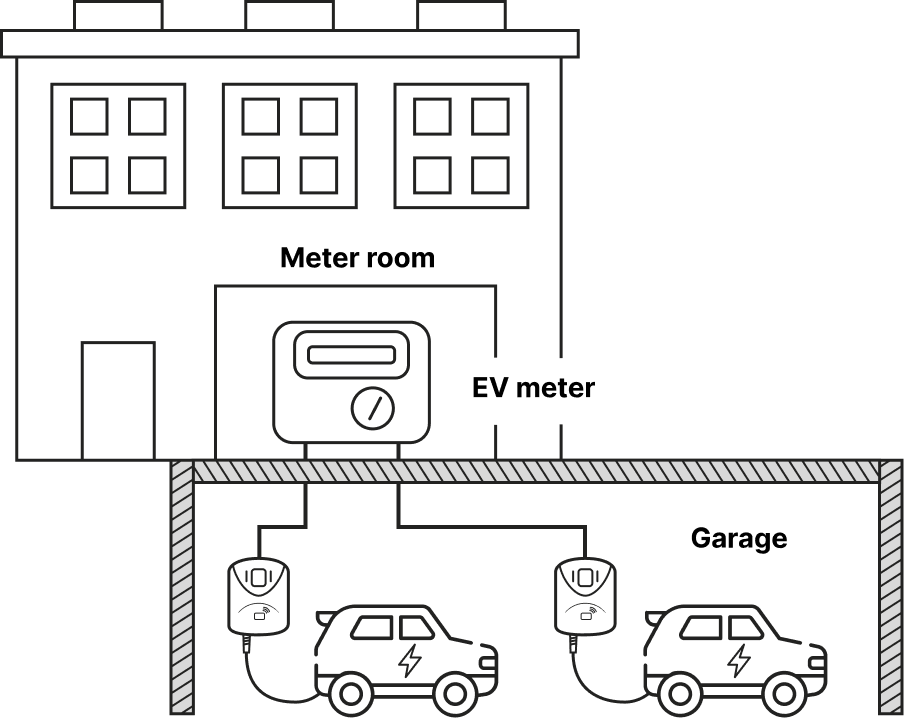
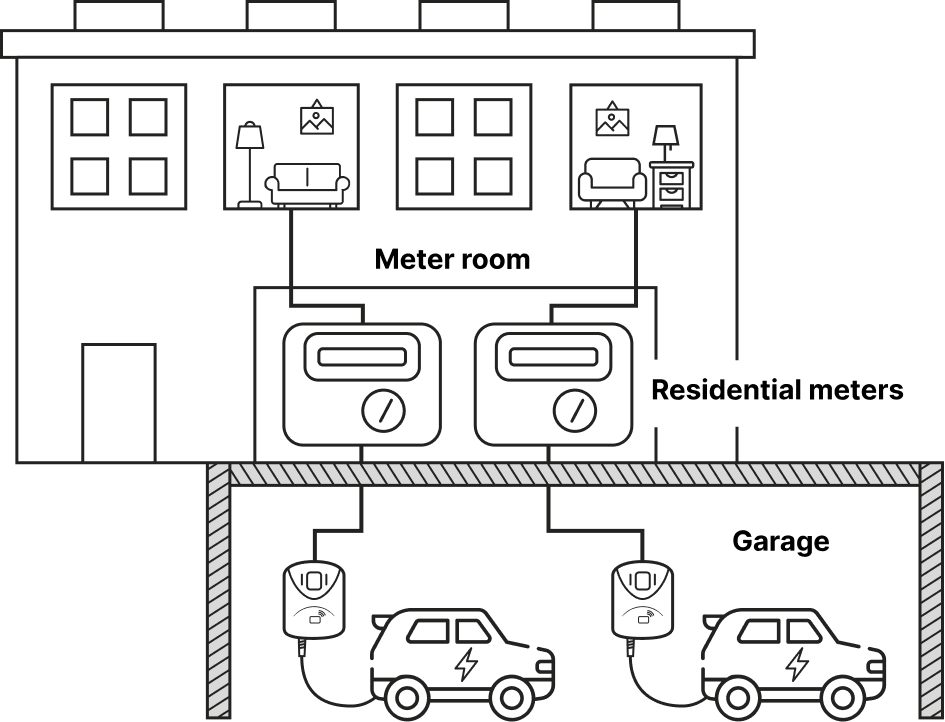
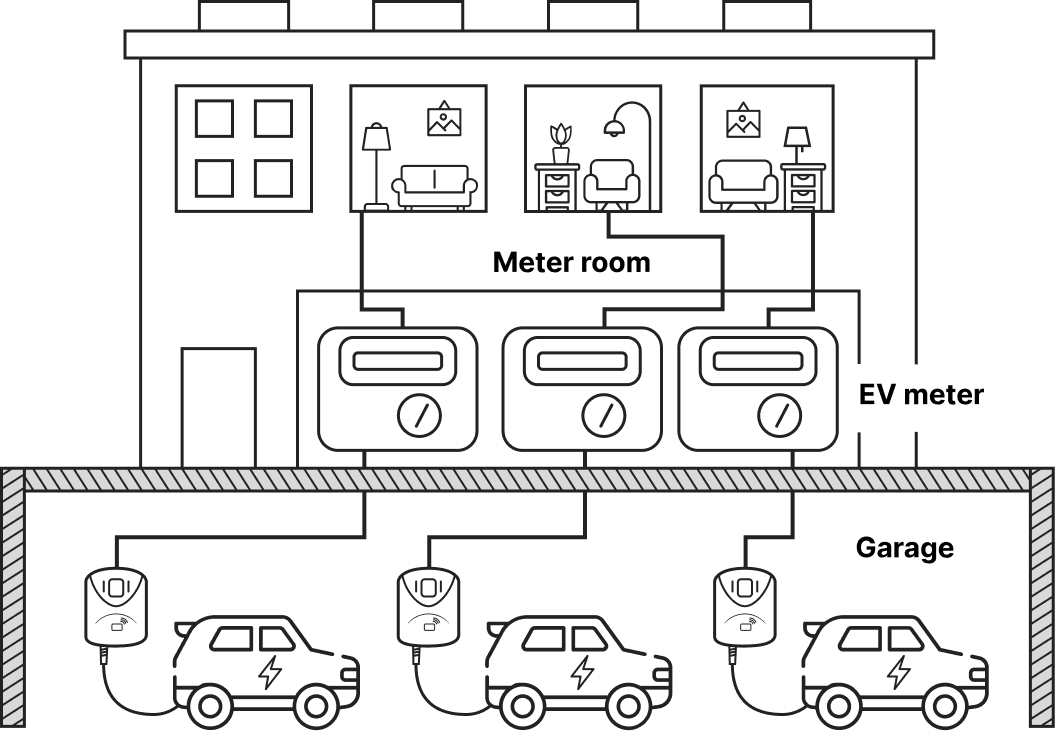
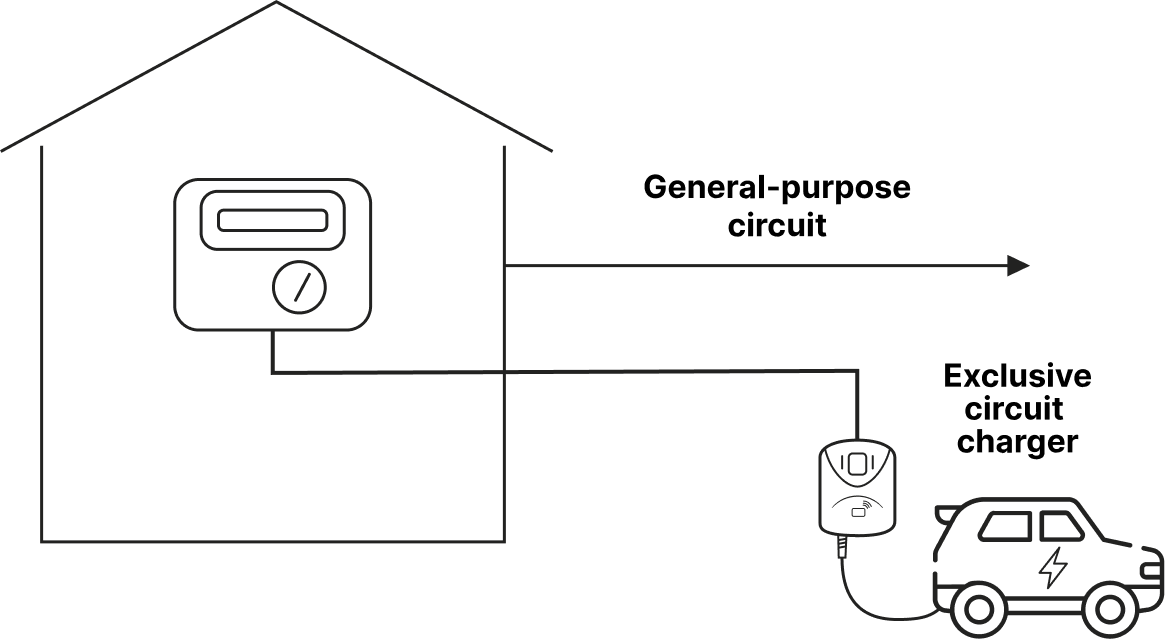
Regulations: Not just sustainability, but legal compliance
DINUY charging systems are designed to comply with current regulations and adapt to future requirements, enabling safe, scalable and hassle-free installations.
- • Prepared for the European EPBD 2024/2025 directive
- • Designed for residential and commercial environments
- • Certified and compliant with European safety and charging standards
It's not just about sustainability, it's about legal compliance
| Building type | Characteristics | Quantification | Minimum requirement | Mandatory from |
|---|---|---|---|---|
| Non-residential building | New and renovated buildings | > 5 parking spaces | 1 EV charging point per 5 spaces and pre-cabling for 50% of spaces and SCC* for the rest | May 2026 |
| New and renovated office buildings | > 5 parking spaces | 1 EV charging point per 2 spaces | May 2026 | |
| Existing non-renovated buildings | > 20 parking spaces | 1 EV charging point per 10 spaces or SCC for 50% of spaces | Before 01/01/2027 | |
| Public buildings | - | Pre-cabling for 50% of parking spaces | Before 01/01/2033 | |
| Residential building | New and renovated buildings | > 3 parking spaces | At least 1 EV charging point and pre-cabling for 50% of spaces and SCC* for the rest | May 2026 |
*SCC: Conduit and ducting infrastructure systems.
Why choose DINUY chargers?
Stand out with the most advanced charging technology in the professional market.
Energy Intelligence and Efficiency
Dynamic power control and time scheduling that optimize contracted power, prevent outages and reduce charging costs.
Fast and Safe Electrical Connection
The only charger on the market with a screwless clamp terminal system, reducing installation time by up to 40% and ensuring a secure connection.
Management and Monitoring via APP, Cloud and KNX
You can manage the system via App, Cloud and KNX, enabling monitoring, remote control and facilitating the operation and maintenance of charging installations.
Total Connectivity and Compatibility
The most versatile range with full connectivity via Bluetooth, WiFi, Ethernet, KNX protocol, RFID reader for user identification and OCPP protocol compatible with payment operators.
Certified Products
All your projects will be secure, as the entire range is certified by IMQ laboratories in compliance with electrical safety and EMC regulations.
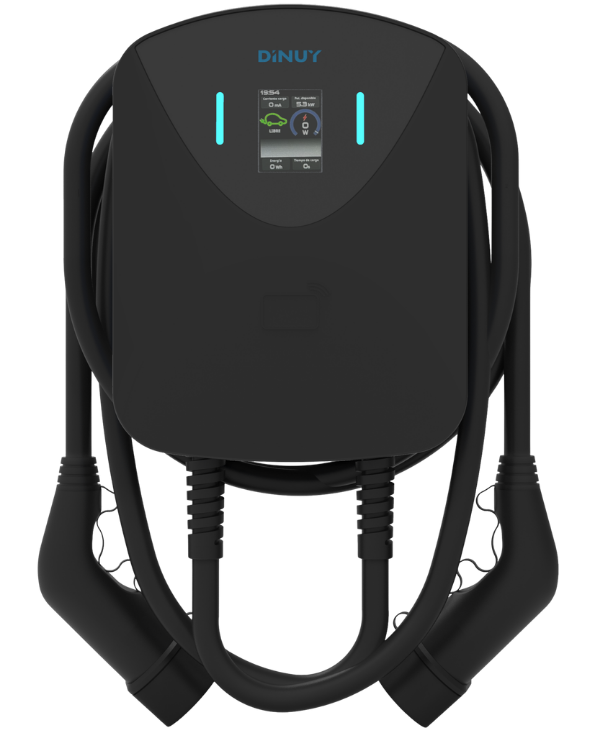
2.8” Color Display
The only one on the market that incorporates a TFT color display with the latest LCD technology in all models.
Robustness and Reliability
Designed for indoor and outdoor installation, with a steel chassis, ensuring IP54 protection rating and IK10 impact resistance.
Integration 
The only range on the market with the KNX protocol in all models. Now you can integrate EV charging into smart installations.
Manufactured in Spain
The entire range has been designed and manufactured in Spain, under full control of the production process and offering close technical support.
5-Year Warranty
At Dinuy, we stand for commitment and quality. That’s why we offer something unique in the segment, so you can invest with confidence.

Extended warranty
Total confidence with 5 years of official warranty.

Premium interface
The only one with an integrated 2.8” color display in all models, to check key information at a glance.

Certification & safety
Product certified by the IMQ laboratory and compliant with EN IEC 61851-1 standards.
The only one integrated with KNX
The only charger on the market with KNX integration, designed for fully connected energy management.

Fast and secure electrical connection
The only charger on the market with a screwless clamp-type terminal system, which reduces installation time by up to 40% and guarantees a secure connection.
Join the Future of Mobility with a trusted brand
Safety
The charger checks that everything is safe before delivering power
Smart charging
It dynamically manages power so you never exceed your contracted limit
Efficiency
Scheduled charging that reduces the cost of charging by adapting to the contracted rate